








Training smart, pacing evenly, and practicing hydration and fueling are key to finishing your first marathon strong. This guide shares 10 proven, beginner-friendly tips to help first-time marathon runners prepare for race day, avoid common mistakes, and cross the finish line feeling confident.
Running your first marathon is an exciting milestone — and an intimidating one. With proper preparation and a thoughtful race-day plan, you can set yourself up for a positive experience from start to finish. Whether your goal is simply to finish or to feel strong doing it, these tips will help guide your training and decision-making along the way.
Key Takeaways
- Train with intention and consistency. Build confidence by practicing race pace, timing long runs to match race morning, and rehearsing your hydration and fueling strategy during training.
- Race smart, not fast. Even pacing, patience in the early miles, and avoiding “banking time” help first-time marathoners finish strong and avoid late-race fatigue.
- Prepare to reduce race-day stress. Preview the course, stick with familiar gear and nutrition, dress for cool start conditions, and plan for crowded aid stations.
1. Preview the Marathon Course Before Race Day
If possible, run or bike at least part of the marathon course ahead of time. Familiarity with the terrain can help you mentally prepare for hills, turns and straightaways so there aren’t any surprises on race day.
Why it helps:
- Builds confidence
- Helps plan your race
- Reduces race day anxiety
2. Try Nothing New on Race Day!
Race day isn’t the time to experiment. Part of training is testing out the equipment you intend to race in.
Avoid introducing new equipment, such as:
- Shoes
- Apparel
- Hydration or food
Even a new race shirt can lead to unexpected chafing. Stick with what you know works.
3. Train at the Same Time Your Race Starts
If your marathon starts early in the morning, complete your long training runs around the same time. This helps your mind and body adjust to the schedule and ensures that your fueling, hydration and warm-up routine are realistic and tested for race day.
4. Train the Way You Plan to Race
Easy miles matter, but they shouldn’t be the only miles you run. To sustain your goal pace for 26.2 miles, your training should include:
- Tempo runs
- Race-pace segments
- Practice with your hydration and fueling strategy
Your stomach is trainable — practicing nutrition during long runs helps reduce the risk of GI distress on race day.
5. Set Multiple Goals
Having more than one goal helps you adapt if race day doesn’t go exactly as planned. This can help keep you motivated if conditions or your energy levels change. You may have a time in mind that you’d like to meet or beat, and that can be great motivation. But when it comes down to it your goals should be:
- Get to the starting line
- Run and finish the race
- Enjoy the experience
6. Stay Accountable
Tell a friend about your marathon goals to create accountability for yourself! Another way to stay motivated to run and on track with your marathon training is to find a local run club. By joining a group of other runners, you’ll all be training together.
There are thousands of clubs across the country that meet on different days and train at different paces – find or start a run club that works for you and your training needs! If you need help holding yourself accountable, tell your goals to a friend. Saying them out loud makes them real. And you'll also have a friend who will check in with you to help keep you on track.
7. Dress for the Start, Not the Finish
Start lines are often cold, especially during early-morning races. Layer up with old clothes you don’t mind shedding before the race begins. Many events collect discarded layers for donation.
This keeps your muscles warm without overdressing once you get moving.
8. Be Strategic at Aid Stations
Aid stations can become crowded and chaotic. To stay calm and consistent:
- Move toward the end of the station if possible.
- Don’t stress about drinking while running.
- Slow down or walk briefly if needed.
Just remember to pull to the side so other runners can pass safely.
9. Don’t Try to “Bank Time”
Starting too fast is one of the most common first-marathon mistakes. Sprinting at the start almost always leads to fatigue later in the race.
Focus on:
- Even pacing
- Controlled effort
- Patience in the first half
You’ll thank yourself in the final miles.
10. Practice Your Nutrition and Hydration Strategy During Training
Nutrition can make or break your first marathon — and it’s something you need to practice well before race day. Long runs are the time to test how your body responds to fluids, electrolytes, and fuel while running at marathon pace.
During marathon training, focus on:
- Drinking fluids consistently on long runs.
- Make sure you’re getting the electrolytes you need to keep moving.
- Practicing race day fueling, timing and amounts.
- Learning what your stomach tolerates under effort.
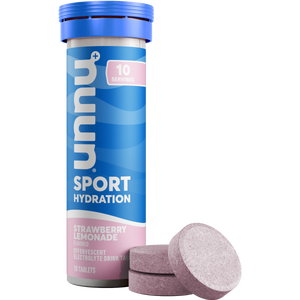
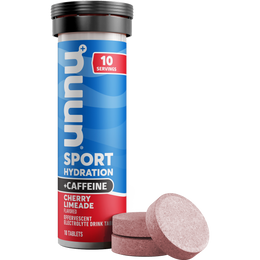
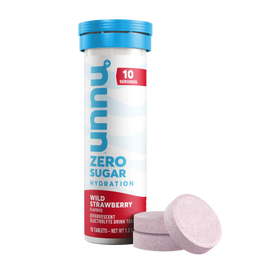
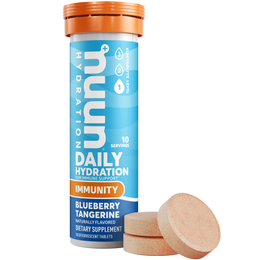
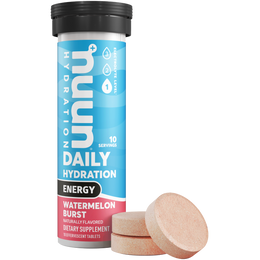
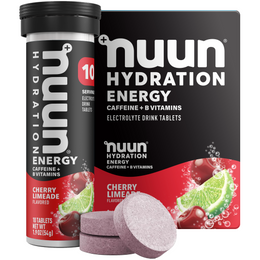
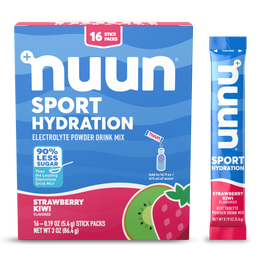
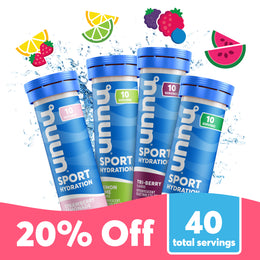
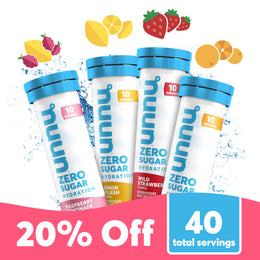
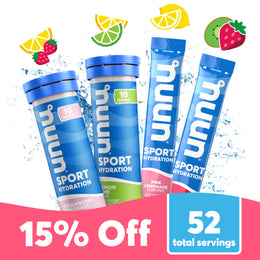
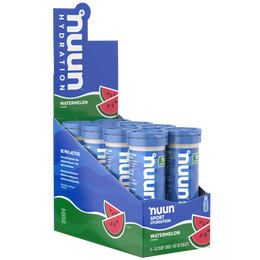
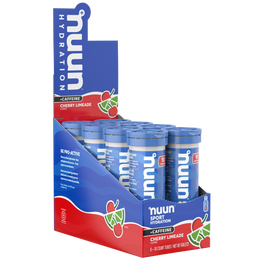
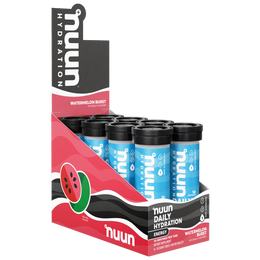
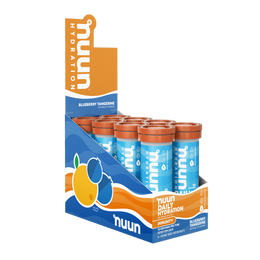
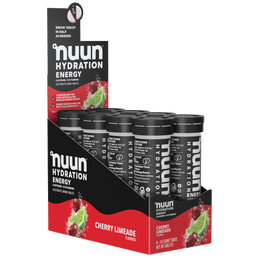
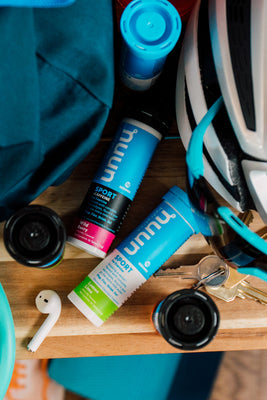
Just like your legs, your digestive system needs training. Dialing in your nutrition strategy ahead of time helps reduce the risk of fatigue, cramping, and GI issues when it matters most. Hydration is hugely important; add electrolyte tablets to your bottled water to help manage the balance of fluids in your body. Keep Nuun Sport tablets near your running gear so you remember to have them with you on training days!
Your first marathon is about learning, growth, and showing up prepared. By training intentionally, pacing wisely, and focusing on what you can control, you give yourself the best chance to enjoy the experience and finish strong.
Frequently Asked Questions
How should beginners train for their first marathon?
Beginners should follow a structured training plan that gradually builds mileage, includes rest days, and allows time to practice hydration, fueling, and pacing strategies.
What should you not do on marathon race day?
Avoid trying anything new, including shoes, nutrition, pacing strategies, or clothing. Stick with what you’ve tested during training.
How important is hydration during a marathon?
Hydration is critical for endurance, performance, and recovery during long-distance running. Having a practiced hydration plan helps reduce fatigue and cramping.
Is it okay to walk during a marathon?
Yes. Brief walk breaks, especially through aid stations, can help manage effort and improve overall race consistency, particularly for first-time marathoners.