












KEY TAKEAWAYS:
- Becoming a better runner means training smarter, recovering well, and staying consistent.
- Common running injuries like runner’s knee, shin splints, IT band syndrome, plantar fasciitis, and stress fractures are often linked to overuse.
- Reduced Injury risk starts with gradual training, strength work, mobility, recovery, and proper footwear.
- Hydration supports running performance and post-run recovery, making it an important part of any routine.
- Nuun can help support better hydration habits before and after your miles.
Running more does not always make you a better runner. Running smarter does.
To improve your performance and stay consistent, you need more than mileage. You need a plan that supports your body before, during, and after every run. That means building gradually, recovering well, staying on top of common injury risks, and making hydration part of your routine. For runners, better habits lead to better miles.
How to Become a Better Runner
Becoming a stronger runner is not just about pace. It is about supporting performance from every angle.
Build Mileage Gradually
One of the fastest ways to get sidelined is to ramp up too quickly. Increasing distance, speed, or intensity too fast can put excess stress on muscles, joints, and connective tissue. Our Couch to 5k Training Guide is a great way to build mileage slowly. Joining a Run Club is another great way to train alongside others.
Prioritize Strength and Mobility
Strong glutes, hips, quads, calves, and core muscles help support better running form. Mobility work and stretching can also help reduce tightness and improve how your body handles repetitive impact.
Recover Like It Matters
Recovery is part of training. Rest days, sleep, mobility work, and proper nutrition all help your body adapt to training instead of breaking down from it.
Hydrate Before and After Every Run
Hydration is one of the easiest performance habits to overlook — and one of the most important. Proper hydration helps support physical performance, recovery, and overall training. For runners, that makes hydration a daily essential, not an afterthought.
Why Smart Runners Focus on Reducing Risk of Injury
If you want to become a better runner, consistency is everything. But common running injuries can quickly interrupt training and slow progress. Many of the most frequent issues runners face are overuse injuries, which means they often develop over time through repeated stress, poor recovery, muscle imbalances, or training errors.
The strongest running routine is one that you can sustain over time, which is why managing injury risk should be part of your training strategy from day one.
Common Running Injuries
Many runners deal with similar types of pain and overuse injuries. Knowing what to look for can help you respond early and avoid making things worse.
Runners’ Knee
Runner’s knee causes pain around or behind the kneecap. It may be linked to muscle weakness, overuse, repetitive stress, or alignment issues like poor kneecap tracking.
- How to Help Prevent It: Strengthening the hips, glutes, and legs can help support better movement patterns. Wearing the right shoes and avoiding sudden spikes in training load can also make a difference.
- How It Is Commonly Treated: Treatment often includes rest, physical therapy, and exercises that improve the strength and flexibility of muscles that support the knee.
Shin Splints
Shin splints usually show up as pain along the front or inner edge of the shin. They are often associated with repetitive stress, especially when training volume increases too quickly, improper footwear, and running on hard surfaces.
- How to Help Prevent Them: Gradual training progression, supportive footwear, and attention to running mechanics can all help lower risk.
- How They Are Commonly Treated: Reducing impact, allowing time for recovery, and returning to running gradually are common first steps.
IT Band Syndrome
IT band syndrome is an overuse injury. It often causes pain or a “snapping” sensation on the outside of the knee and may get worse on hills or during longer runs.
- How to Help Prevent It: Hip and glute strength are key. Weakness in these areas can contribute to movement patterns that place more strain on the outside of the leg.
- How It Is Commonly Treated: Foam rolling, mobility work, rest, and strengthening exercises are often part of recovery.
Plantar Fasciitis
Plantar fasciitis is experienced as heel pain or arch pain, especially first thing in the morning or after time off your feet. It’s a result of micro-tears in the thick band of tissue at the bottom of the foot due to improper footwear, repetitive strain, and tight muscles.
- How to Help Prevent It: Supportive shoes, calf mobility, foot strengthening, and careful mileage progression can help reduce the chance of flare-ups.
- How It Is Commonly Treated: Treatment often includes reducing aggravating activity, improving foot support, and addressing tightness or weakness in the lower leg and foot.
Why Hydration Matters for Runners
Hydration supports more than thirst. It helps support performance, safety, temperature regulation, and recovery — all of which matter when you are trying to run stronger and stay healthy.
For runners, hydration can influence how you feel during a workout and how well you recover afterward. Starting a run underhydrated can make training feel harder. Finishing a run without rehydrating can make recovery more difficult.
That is why hydration belongs in the same conversation as training plans, rest days, and strength work.
Hydration Before a Run
Starting your run hydrated helps support better performance and helps your body handle the demands of exercise more effectively. Making hydration part of your pre-run routine can be especially important before longer runs, harder efforts, or warm-weather training.
Hydration After a Run
Post-run hydration helps replace what you lose through sweat and supports recovery after exercise. Rehydrating after a run can help you feel better later in the day and be more prepared for your next workout.
Can Dehydration Contribute to Injury?
Running injuries are usually caused by more than one factor. Training load, biomechanics, footwear, strength, and recovery all play a role, but dehydration can still be part of the bigger picture.
When you are dehydrated, performance can drop, and recovery may suffer. Fatigue can set in faster, and it may become harder to maintain a strong running form. Over time, that can make it more difficult to train well and bounce back between sessions.
Hydration alone will not prevent injury. But for runners, staying hydrated is one of the habits that supports durability and recovery.
How Nuun Fits Into a Smarter Running Routine
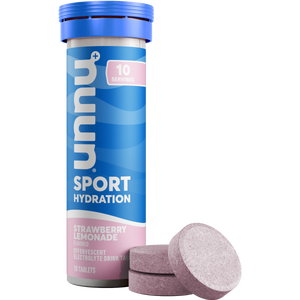
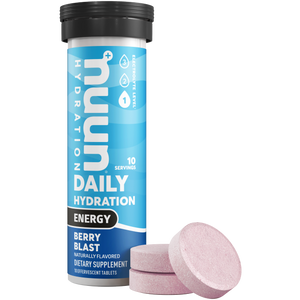
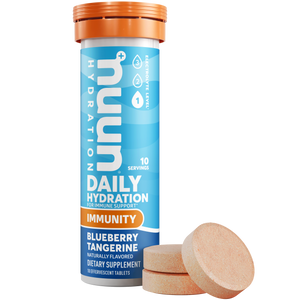
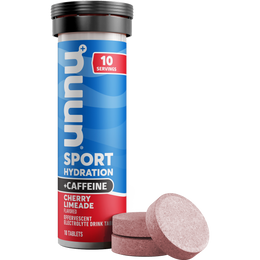
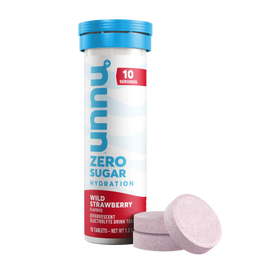
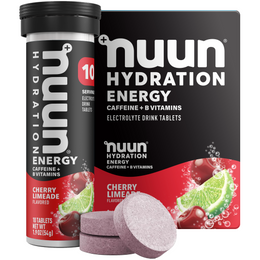
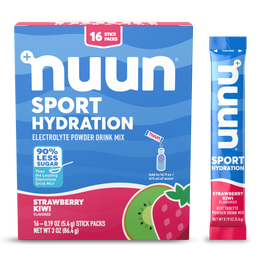
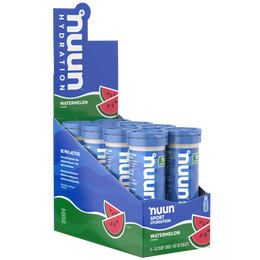
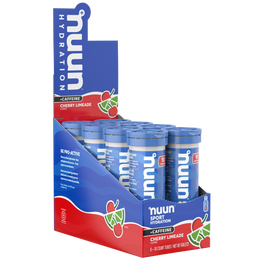
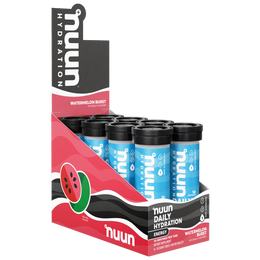
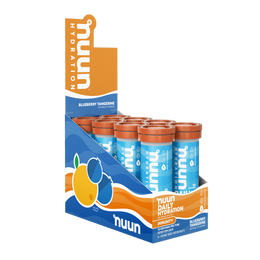
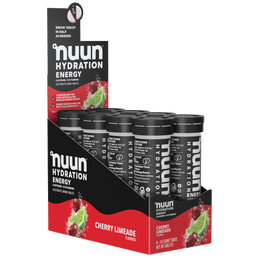
Better running starts with better habits. Nuun fits into that routine by helping support hydration before and after your miles, whether you are heading out for an easy run, a long run, or part of your regular training week. Add Nuun Sport Hydration Tablets to your water bottle to stay hydrated and get the electrolytes you need to keep going during your workout. Nuun Sport promotes healthy hydration, which is important for muscle and nerve function.
For runners focused on performance and consistency, hydration is not just about what happens mid-run. It is part of how you prepare, how you recover, and how you keep showing up.
Better Running Starts With Better Habits
If you want to become a better runner and avoid injury, focus on the habits that help you stay consistent. Train progressively. Build strength. Recover well. Pay attention to small aches before they become bigger problems. And make hydration with Nuun part of your routine every step of the way.
Better running is not only about pushing harder. It is about supporting your body so you can keep going.
Frequently Asked Questions
How can I become a better runner without getting injured?
To become a better runner and reduce risk of injury, increase mileage gradually, add strength training, wear proper running shoes, prioritize recovery, and stay hydrated before and after runs. Consistency matters more than pushing too hard too fast.
What are the most common running injuries?
Some of the most common running injuries include runner’s knee, shin splints, IT band syndrome, plantar fasciitis, and stress fractures. Many of these injuries are linked to overuse, improper shoes, training errors, or muscle imbalances.
What causes running injuries?
Running injuries are often caused by doing too much too soon, poor recovery, muscle weakness, mobility limitations, improper footwear, or repetitive stress over time. In many cases, injury risk increases when runners ignore small aches and continue training through pain.
How do you prevent common running injuries?
You can help reduce risk of common running injuries by building mileage slowly, strengthening your hips and legs, improving mobility, wearing supportive shoes, cross-training, and taking recovery seriously. Paying attention to early signs of pain can also help prevent bigger issues.
Can dehydration affect running performance?
Yes. Dehydration can make running feel harder by contributing to fatigue and making recovery less effective. Starting a run well hydrated and rehydrating afterward can help support better performance.
Should you hydrate before or after a run?
Both. Hydrating before a run helps you start in a better position for performance, while hydrating after a run helps replace fluids lost through sweat and supports recovery. For many runners, both steps are important parts of a healthy routine.
How can Nuun Sport help with running and recovery?
Nuun Sport can help support running and recovery by making it easier to stay on top of hydration before, during, and after exercise. Nuun Sport tablets help support fluid replacement as part of a consistent running routine.
References: