









KEY TAKEAWAYS:
- Training for a 5K looks different for everyone. Focus on consistency, building confidence, and finding what feels good for your body.
- Whether you walk, run, or jog, progress comes from showing up.
- Staying hydrated before, during, and after your runs helps you feel better and get the most out of your training.
Thinking about training for a race? Whether you’re just getting started or looking for a new way to challenge yourself, this 5K race training plan will help you build confidence, stay motivated, and cross the finish line feeling strong.
What is a 5K Race?
A 5K is 5 kilometers, or about 3.1 miles. They’re great for beginners because they’re long enough to challenge you, but short enough to feel achievable. You can run, walk, jog, or mix it all together. There’s no “right” way to do a 5K – just your way. As long as you’re moving, that’s the most important part!
Training for a 5K gives your workout routine structure, but it can also boost your physical and mental health, build consistency, and help you connect with a community of runners.
How Long Is a 5K Training Plan?
A 5K training plan can take anywhere from 6 to 8 weeks, depending on your fitness level.1
- If you’re going from couch to 5K (no running experience), a full training plan should take about 8 weeks.
- For more experienced runners, training for a 5K could take anywhere from 4 to 6 weeks.
The key is simply showing up. Take your time, listen to your body, and let progress happen naturally.
How Do I Train for a 5K Race?
Training for a 5K doesn’t have to feel overwhelming. Think of it as building a habit of showing up for yourself.
Here are some helpful tips for getting started: 2
- Practice a walk-run pattern and build up to more running time.
- Warm up before and cool down after your sessions.
- Take rest days – they’re part of the process.
- Build gradually and check in with how your body feels.
- Stay hydrated before, during, and after your runs.
Remember, there’s no perfect plan – just one that works for you.
Couch to 5K Training Example for Beginners
Here’s a simple, flexible way to ease into running a 5K:
Weeks 1–2: Build the Habit
- Alternate walking and jogging (run for 1 minute/walk for 2 minutes)
- 3–4 sessions per week
- Focus on consistency, not speed
Weeks 3–4: Find Your Rhythm
- Increase running intervals (3–5 minutes)
- Shorten walking breaks
- Consider adding light strength training or cross-training
Weeks 5–6: Build Confidence
- Run continuously for 10–15 minutes
- Add one slightly longer session each week
- Settle into a comfortable pace
Weeks 7–8: Get Race Ready
- Run 2–3 miles comfortably
- Prioritize recovery and hydration
- And don’t forget to take a moment to appreciate how far you’ve come!
Hydration Tips for 5K Training
Staying hydrated is one of the most important parts of 5K training. It plays a big role in how your body performs and recovers. Even mild dehydration can lead to fatigue, reduced stamina, and that sluggish, heavy feeling no runner wants mid-stride.
The key is to think of hydration as part of your daily routine. When you stay consistently hydrated throughout the day, you’re setting yourself up to feel better and get more out of every run.
Here are a few simple ways to stay on track:
Fuel your lifestyle.
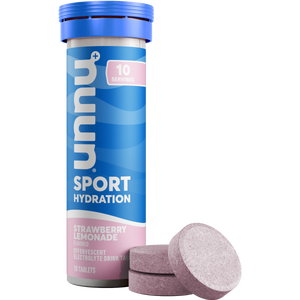
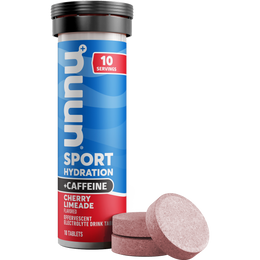
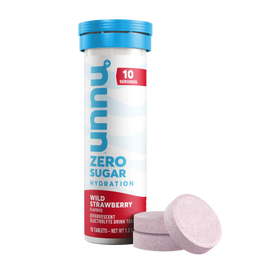
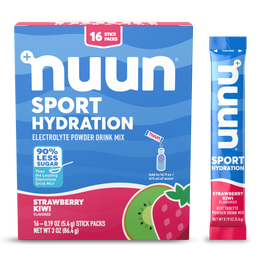
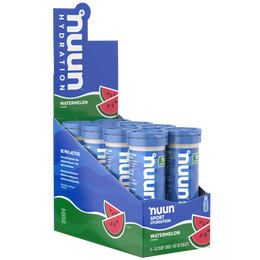
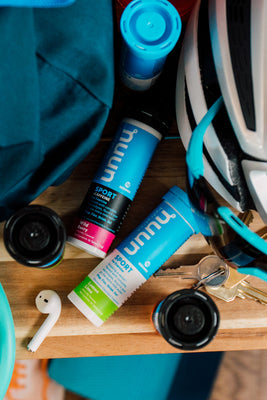
Nuun Sport tablets are made for workout hydration, designed to help you stay balanced and hydrated before, during, and after your run.
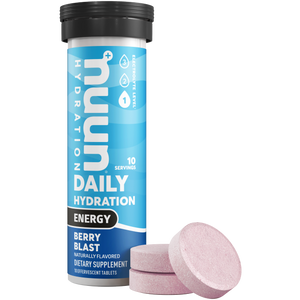
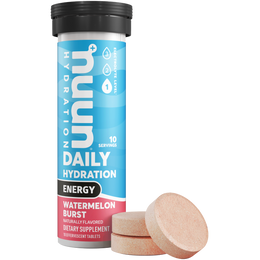
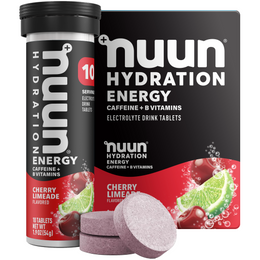
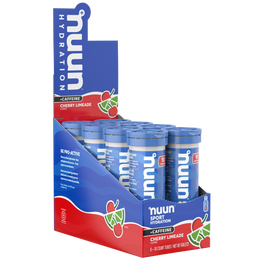
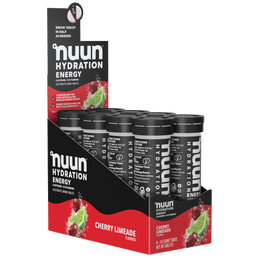
Need a little jumpstart? Try Nuun Energy Caffeine + B Vitamins, which provides 80 mg of plant-based caffeine for a gentle boost of energy.
Replenish what you lose.
When you sweat, your body loses fluid and electrolytes. Replacing both helps you stay hydrated to keep your energy up and your body feeling good.
Tune into your body.
Everyone’s hydration needs are different. Pay attention to how you feel during and after your runs and adjust from there. You can even perform a sweat test to get a better understanding of your body’s hydration levels.
How to Stay Motivated While Running
Some days will feel easy. Others…not so much. That’s all part of the journey.
If you need a little extra motivation, you’re not alone. Here are some helpful tips for getting the most out of your 5K training plan:
- Join a running club or train with others to keep you accountable and make training more fun.
- Celebrate small wins – even increasing your run time from 2 minutes to 3 minutes is huge!
- Track your progress with a fitness app like Strava (and earn rewards for Nuun products).
What’s Next After Your First 5K?
Crossing that finish line is just the beginning.
From here, you can:
- progress to a couch to 10K plan by slowly increasing your distance every week.
- focus on building strength and endurance while reducing risk of injury.
- explore new routes or races, like the World Marathon Majors or a Rock n’ Roll race.
Training for Longer Runs
Even if you’re sticking with shorter distances, gradually building your endurance can help you feel more comfortable and confident.
- Increase your distance slowly (about 10% per week).
- Keep your pace conversational (you should be able to speak in full sentences without gasping for air).
- Prioritize rest and recovery.
- Invest in good running shoes for better form and support.
Start Your 5K Journey Today
A 5K race training plan isn’t just about the finish line – it’s about everything that happens along the way. It’s about showing up, finding your rhythm, and feeling strong in your body.
Start where you are. Go at your own pace. And make hydration part of the journey so you can keep moving and feeling good every step of the way.
Frequently Asked Questions
Can I train for a 5K if I’ve never run before?
Absolutely. A 5K is great for beginners, and many runners start with little to no experience. The key is to begin slowly and build up over time.
Using a walk-run approach, like alternating between jogging and walking, can help you ease into running without feeling overwhelmed. Over a few weeks, you’ll gradually increase your running time and build endurance.
Should I run every day when training for a 5K?
No, running every day isn’t necessary and can actually increase your risk of injury, especially as a beginner.
Most 5K training plans include 3 to 4 running days per week, with rest or cross-training days in between. These recovery days give your muscles time to repair and get stronger, which is an important part of progress.
What should I do on rest days during 5K training?
Rest days are a great opportunity to support your recovery.
You can:
- Take a full day off to recharge.
- Do light movements like walking, yoga, or stretching.
- Add low-impact cross-training like cycling or swimming.
Focus on how your body feels. If you’re tired or sore, prioritize rest. Recovery is where your body adapts and gets stronger, so it’s just as important as your runs.
How much water should I drink when training for a 5K?
Hydration needs can vary, but a good rule of thumb is to stay consistently hydrated throughout the day, not just during your run.
If you’re sweating more (especially in warm weather), adding electrolytes to your water with Nuun Sport can help replace what your body loses and support better hydration.
What should I drink after a run for recovery?
After a run, your body needs fluids and electrolytes to recover and rebalance.
Water is a great place to start, but if you’ve been sweating, a drink with electrolytes can help replenish what you’ve lost and support muscle function. This can help you feel more refreshed and ready for your next session.
Options like Nuun Sport are designed to support hydration after exercise, to help you recover and stay on track with your training.
References:
1 8 Practical Tips For Your Couch To 5K Journey (Marathon Handbook)
2 5K Training Guide for Beginners: From First Step to Finish (North Oaks)