








You may have heard conflicting information about salt. For example that salty foods cause dehydration or that adding salt to water can help you hydrate better. So which is true?
The truth is a little more nuanced than “salt is bad” or “salt is the secret to hydration.” Sodium, the main mineral in salt, plays an important role in fluid balance. Your body needs sodium to help regulate how much water stays inside and outside your cells, support nerve signaling, and maintain normal muscle function. But the amount you need depends on your diet, sweat losses, activity level, climate, and overall health.
In other words, salt does not automatically dehydrate you. When used in the right context, sodium can actually help your body hold onto fluid. But adding plain salt to water is not always necessary, and it does not provide the full range of electrolytes your body loses through sweat.
Why Sodium Matters for Hydration
Sodium is one of the body’s major electrolytes. Electrolytes are minerals that carry an electrical charge and help with fluid balance, muscle contraction, and nerve function. Along with sodium, important electrolytes include potassium, magnesium, calcium, phosphate, and chloride.
When you sweat, you lose both water and electrolytes. Sodium and chloride are the primary electrolytes lost in sweat, which is why it tastes salty. But the others can also be lost in smaller amounts.
For light daily activity, most people can meet their hydration needs with water and a balanced diet. But during longer workouts, intense sweat sessions, hot weather, or physically demanding days, replacing electrolytes, including sodium may help support hydration more effectively than just plain water
Research on exercise hydration shows that replacing both fluid and sodium can be important after significant sweat losses. Sodium helps the body retain the fluid you drink instead of simply excreting it through urine, which is one reason electrolyte-containing beverages are commonly recommended during and after endurance exercise.
So, Does Salt Dehydrate You?
Salt itself does not directly dehydrate you In fact, sodium helps regulate fluid balance. But eating a very salty meal without drinking enough fluid may make you feel thirsty because your body is working to maintain the balance between water and salt in the blood.
That thirst response is not necessarily a bad thing. It is one of the ways your body signals that it needs more fluid. When sodium in the blood rises, the body pulls water into the bloodstream and triggers thirst so you drink more. This helps restore balance.
Sodium is an important part of hydration, particularly during exercise, heat exposure, or other situations that increase sweat losses. The primary concern is not sodium itself, but consistently consuming more than the body requires. General nutrition guidance therefore encourages consuming sodium in amounts appropriate for an individual’s activity level, sweat losses, and overall dietary pattern.
So the real question is not “Is salt hydrating or dehydrating?” It is “Do you need more sodium or fluids right now based on what your body needs?”
When Adding Sodium to Water May Help
Adding sodium to fluids may be useful in situations where you are losing more sweat or need to hold on to fluids. This may include:
- Long or intense workouts, especially lasting more than an hour
- Exercise in hot or humid conditions
- Heavy sweating
- Endurance events, hiking, running, cycling, or team sports
- Outdoor work or physically demanding days
- Rehydrating after fluid loss
In these situations, sodium can help replace what is lost in sweat and may help your body better hold onto the fluid you drink.
However, this does not mean everyone needs to add salt to every glass of water. If you are sitting at a desk, eating regular meals, and not sweating much, plain water is usually enough. Adding extra salt throughout the day without a reason can lead to more sodium than your body needs.
Why Salt Water Is Not a Balanced Hydration Strategy?
While sodium is an important part of hydration, salt water is not the same as a balanced electrolyte drink. It can be easy to overdo the salt, making the drink taste unpleasant or adding more sodium than needed.
Additionally, table salt is made mostly of sodium chloride. That means it provides sodium and chloride, but it does not provide the other electrolytes, potassium, magnesium, or calcium.
All the electrolytes play a role in balanced hydration. For example, potassium helps regulate fluid balance, while magnesium and calcium support normal muscle and nerve function. During sweat losses, your body loses a mix of electrolytes, not just salt.
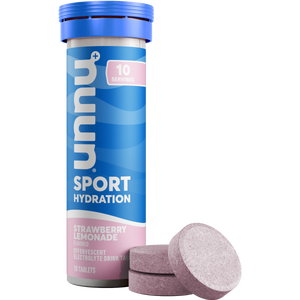
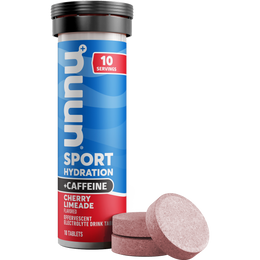
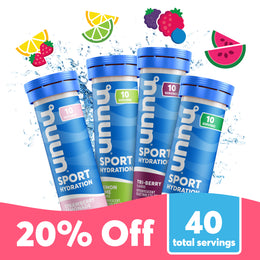
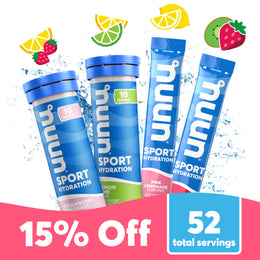
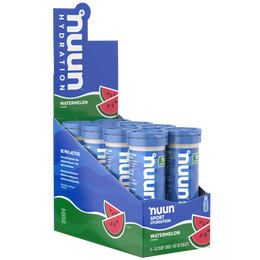
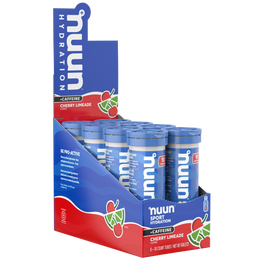
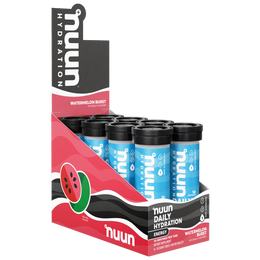
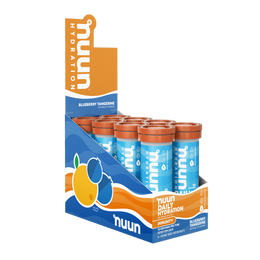
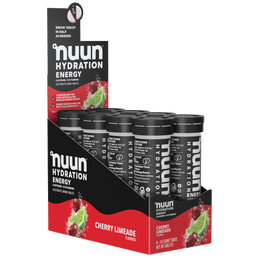
A well-formulated electrolyte product is designed to provide sodium along with other key electrolytes in a more intentional formula. Nuun Sport, for example, is formulated with five essential electrolytes: sodium, potassium, magnesium, calcium, and chloride.
What About Hydration Salts?
Hydration salts are often marketed as an easy way to improve hydration, and they can be useful in certain situations. But they are not all the same. Some products are mostly sodium, while others include a broader electrolyte blend. The best choice depends on your needs, how much you sweat, how long you are active, and whether you want everyday hydration support or more targeted replenishment around exercise.
For most people, the goal is not to consume as much sodium as possible. The goal is to replace what is lost and support fluid balance without overdoing it.
The Bottom Line
Salt does not automatically dehydrate you. It’s an essential electrolyte that helps regulate fluid balance, and can support hydration when paired with adequate water, especially during exercise, hotter temperatures, or heavy sweating.
But more salt is not always better, as it does not provide all the electrolytes your body needs. For everyday hydration or active days, a balanced electrolyte option can be a more reliable choice.
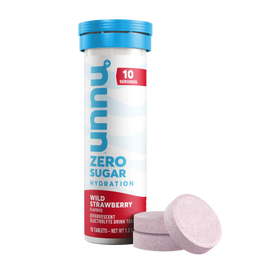
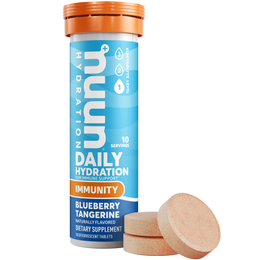
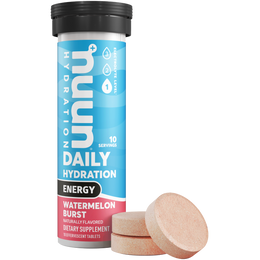
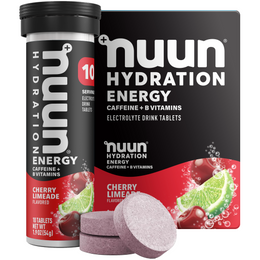
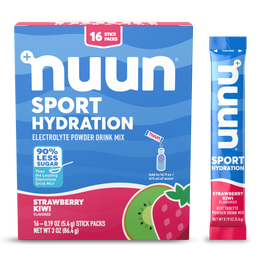
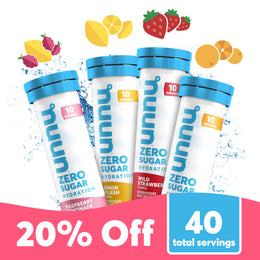
The best hydration strategy is also typically the simplest: drink enough fluid, eat a balanced diet, and use electrolytes when your body needs extra support. Explore Nuun tablets to find the right option for workouts, busy days, travel, and everyday hydration.
References:
- Jaques DA, Ponte B. Dietary sodium and human health. Nutrients. 2023;15(17):3696.
- Armstrong LE. Rehydration during endurance exercise: Challenges, research, options, methods. Nutrients. 2021;13(3):887.
- CDC. About Sodium and Health. Salt. March 31, 2026. Accessed May 19, 2026. https://www.cdc.gov/salt/about/index.html
- Millard-Stafford M, Snow TK, Jones ML, Suh H. The beverage hydration index: Influence of electrolytes, carbohydrate and protein. Nutrients. 2021;13(9):2933.