






Key Takeaways:
- The right running shoes should feel comfortable right away, with room in the toe box and a secure fit through midfoot and heel.
- Many runners benefit from going half a size up to accommodate foot swelling and reduce pressure during runs.
- Proper fit, supportive gear and consistent hydration all work together to help improve performance and reduce injury risk.
When it comes to running shoes, a lot of runners say: “you don’t choose the shoe, the shoe chooses you,” because there is no one-size-fits-all solution. Running places repetitive stress on your feet, ankles, and joints, and with every step, your body absorbs impact that can be affected by several external factors.
The right shoe can help to distribute force more evenly, while also supporting natural movement and reducing unnecessary strain.
Poorly fitting shoes can lead to a number of issues like:
- Blisters
- Foot pain or numbness
- Knee or hip discomfort
- An increased risk of injuries
If you’re building a routine or following a structured plan to help you reach your goals, having the right footwear becomes even more important for consistency and injury protection.
What Happens to Your Feet When You Run?
Your feet naturally expand during a run due to increased heat, blood flow, and impact. This is why even shoes that feel “perfect” when standing can still feel tight after a few miles.
Running also affects things like arch movement and how splayed out your toes become, and because of these changes, your running shoes should allow for movement rather than restrict it.
How Should Running Shoes Fit?
Finding the right running shoes is not just about the size; it’s about the fit. A properly fitting shoe should feel comfortable from the moment you put it on, with enough room to accommodate natural foot movement while still providing a secure, supportive feel. Here are some things to keep in mind while shopping:
1. Leave Some Room in the Toe Box
You should have about a thumb’s width of space between your longest toe and the front of your shoe. This helps to prevent bruising and allows your toes to spread out naturally within the shoe.
2. Secure Midfoot and Heel
Your shoe should feel snug, but not tight, particularly around the midfoot and heel, to prevent slipping or rubbing from occurring.
3. Test Out Movement
Before purchasing the shoes, walk around a little bit, or jog if you can. Your shoes should feel comfortable immediately, without requiring a “break-in” period.
Should You Size Up in Running Shoes?
Because it’s important to leave room in the toes, many runners benefit from choosing a half size bigger than their everyday shoes. Not only do feet swell during runs, but any downhill running will also push the toes forward, so extra space will reduce pressure and friction.
If you’ve ever finished a run with sore toes, sizing up could make a noticeable difference.
Do You Need Arch Support?
While some runners benefit from added arch support, others do better in neutral shoes. It really just depends on your natural gait and comfort level.
You might benefit from more support if:
- You have flat feet or low arches
- You experience overpronation (meaning your foot rolls inward excessively)
- You’ve had recurring foot or ankle discomfort
You may not need arch support if:
- You have a neutral stride
- You feel comfortable and stable in standard shoes
Rather than focusing only on labels like “supportive running shoes,” prioritize how the shoes feel during movement. It all depends on you and your preferences.
Different Types of Running Shoes
Picking out a new pair of running shoes can feel overwhelming – there are so many different kinds! Here are a few common categories to consider:
Supportive Running Shoes
These shoes are designed for runners who need added structure and stability when running.
Wide Toe Box Running Shoes
Wide toe box shoes allow your toes to spread naturally, improving balance and comfort.
Running Shoes for Flat Feet
People with flat feet often need features for stability to help guide regular foot motion.
Running Shoes for Wide Feet
These shoes typically provide extra space throughout the entire shoe, not just in the toe box, making them ideal for people with wide feet.
Shoes for Overpronation
These offer additional support to help correct that inward rolling motion. It’s particularly important to support this type of pattern so that you can become a better runner and avoid injury.
Of course, trying on multiple styles and even visiting a specialty running store or professional shoe seller can help you find the best match for your feet.
Other Essential Running Gear
While shoes are the foundation of a good run, the right gear can make a meaningful difference in comfort, performance, and recovery. If you’re looking to upgrade your setup or simply find a thoughtful gift for the runner in your life, there are plenty of practical options to consider.
- Moisture wicking socks: Help to reduce friction and prevent blisters
- Compression gear Has supporting evidence of circulation benefits and muscle recovery
- Kinesiology Tape: Can offer more targeted support, but should only be used with proper guidance from a medical professional
- Hydration Support: Staying hydrated is key, especially during longer runs or training cycles
Why is Staying Hydrated So Important?
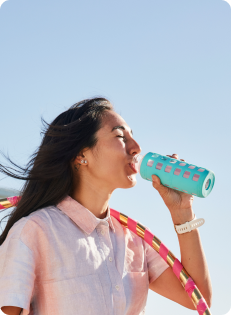
Staying hydrated is essential for maintaining energy, supporting endurance, and helping your body recover after a run. Even mild dehydration can impact performance and make runs feel more difficult. Dehydration can also lead to things like muscle fatigue, and poor nutrient delivery, which can impact your overall health.
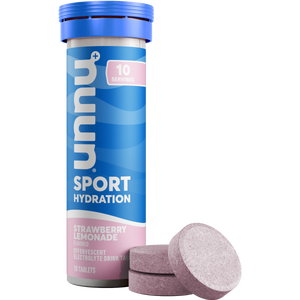
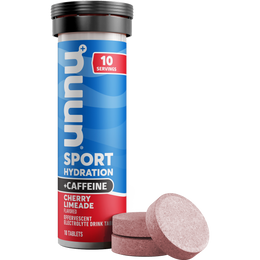
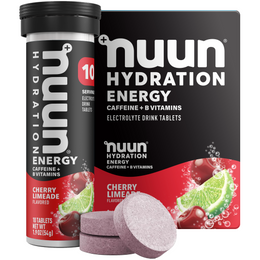
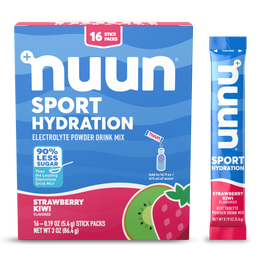
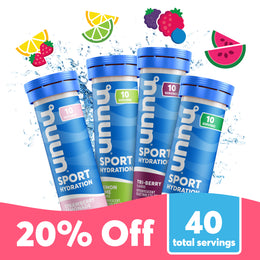
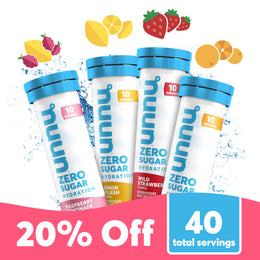
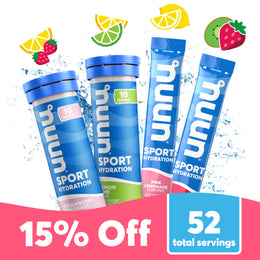
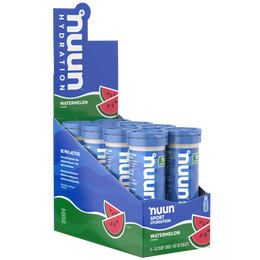
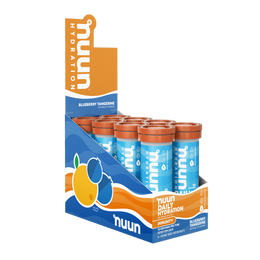
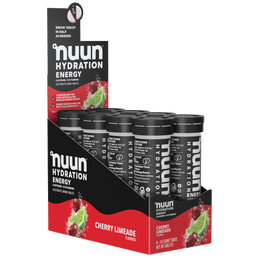
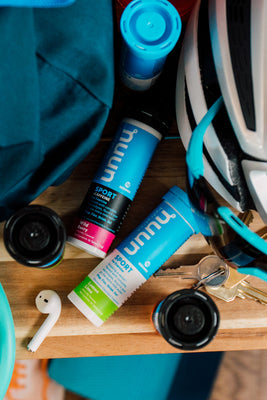
For runs lasting longer than 30 minutes, adding an electrolyte drink like Nuun Sport can help support hydration during activity. It even comes in an easy-to-carry tablet form, so you can use it on the go.
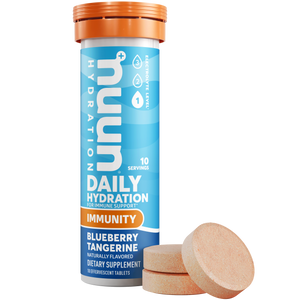
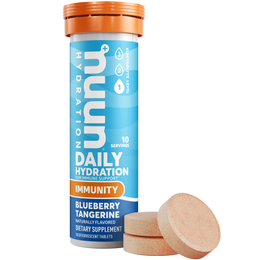
Hydration should also be incorporated as part of your everyday routine. Products like Nuun Immunity can be incorporated into your day to help support overall wellness alongside consistent fluid intake, to help maintain your health and keep training.*
Get Support from Your Running Community
Still have questions about finding the right running shoes or dialing in your other gear? Connecting with other runners can make a big difference. Many local running stores host run clubs where you can:
- Test different shoes in real conditions, so you can see what actually feels best for you
- Get advice from other experienced runners, or share tips with new runners
- Stay motivated and consistent by running with a community through fun opportunities like marathons and traveling races
You can also explore new groups through Nuun’s Run Club Finder to connect with runners near you and get real-world insight on everything from shoe fit to training routines.
Set Yourself Up for Better Runs
Finding the right running shoes isn’t about picking what’s popular; it’s about understanding how your feet move and what feels comfortable for you. From proper fit and sizing to choosing the right level of support, the best shoes are the ones that help you run naturally and confidently.
Pairing the right footwear with supportive gear, good hydration, and a routine that works for you can make a meaningful difference in both performance and overall comfort.
*This statement has not been evaluated by the Food and Drug Administration. This product is not intended to diagnose, treat, cure or prevent any disease.
Sources:
- https://www.niams.nih.gov/health-topics/sports-injuries. Sports Injuries. National Institute of Arthritis and Musculoskeletal and Skin Diseases. Accessed 4/29/26.
- https://www.fitforlifephysicaltherapy.com/new-page-2. Day-to-Day Hydration for Runners and Walkers. Fit for Life. Accessed 4/29/26.