







We’ve all heard the common guidance to drink plenty of water throughout the day, but when even sticking to that advice leaves us feeling thirsty, foggy, or tired, it can be frustrating. While consistent fluid intake is important, hydration is about more than just the volume of water you’re consuming.
Let’s take a closer look at why you might still feel dehydrated despite your best efforts to treat your water bottle like your bestie.
What Hydration Really Means
Most people think of hydration as a simple math problem: drink enough water, stay hydrated. Unfortunately, it’s not always that straightforward. Water alone requires the help of electrolytes — minerals that carry an electrical charge, like potassium, sodium, and magnesium — to hydrate you and support overall health.
Electrolytes help your body absorb, retain and distribute water where it’s needed to support normal hydration and fluid balance.
That's why someone can sip water all day and still feel sluggish, dry-mouthed, or off. Even with adequate water intake, not having the right resources for your cells can make hydration more difficult.
5 Reasons Plain Water May Not Be Enough for You
Even with a full water bottle in hand as you go throughout your day, certain habits and conditions can work against your hydration status in ways that water alone can't always compensate. Here's why.
- You sweat more than you think. Every time you work out, run to catch the bus, or sit in a hot car, you're losing more than water as your body tries to regulate your temperature. Sweat contains sodium, potassium, and other minerals, and those losses can add up.
- Your diet may be lower in sodium than your body needs. If you’re consuming less sodium and other minerals than usual, whether from dietary changes or traveling, it may be difficult to maintain optimal hydration.
- Drinking a lot of water can actually dilute electrolytes. It sounds surprising, but when you drink large amounts of plain water in a short period, you can temporarily lower the concentration of minerals in your bloodstream when consumed in excess. The result can feel similar to dehydration. More water isn't always the answer; sometimes it's better hydration.
Signs Your Body May Want More Water
By the time you feel thirsty, you're likely already behind. So, what are some other ways you can tell that your body may be craving more water? Here are some potentially telling signs:
- Tiredness that doesn't resolve after a good night's sleep
- A foggy or unfocused feeling mid-afternoon
- Occasional Headaches that arrive without an obvious cause
- A parched mouth, even when you've been drinking water regularly
- Urine that is deeper amber (pale yellow is optimal)
Just note that none of this is a substitute for medical advice. If you're experiencing ongoing or concerning symptoms, a healthcare provider is always the right call. But for the everyday version of feeling not quite right, it's worth asking whether you are consuming enough water and if it is actually doing the job you think it is.
The Electrolyte Equation
When you want more from your hydration routine, the first question is what to reach for in addition to plain water, and not all options are the same.
The good news is that a great choice is simpler than it may sound. A good electrolyte supplement should lead with the minerals that matter: sodium for fluid balance, potassium to support muscle function, and magnesium for muscle and nerve support.*
Third party certifications are also usually a good sign. Nuun products carry several consumer value seals, including Non-GMO Project Verified, Certified Vegan, and Certified Gluten-Free.
The ratio of minerals matters, too. The supplement aisle can feel overwhelming, but knowing your individual needs and understanding the benefits of each electrolyte can make the choice easier.
Tips for Building a Better Hydration Routine
Like any wellness efforts, improving your hydration is about small changes that compound over the course of the days and weeks. Beyond just trying to drink enough water volume, here are some tips for getting started:
- Front-load your water. Your body hasn’t just fasted from food overnight, but also from fluids. Start the morning with a full glass of water, ideally with something to help replenish minerals lost overnight.
- Pair hydration with meals. Certain foods, especially fruits and veggies (like cucumbers, tomatoes, watermelon, leafy greens, and berries), have a water content that contributes to your day’s fluid goals. Whole grains, nuts, and seeds also provide meaningful minerals your body needs. Smoothies count, too.
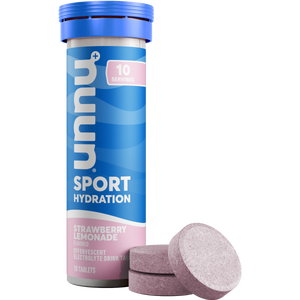
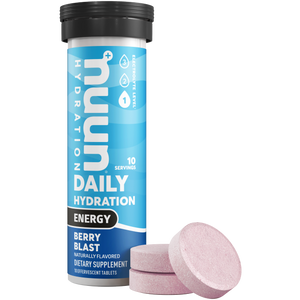
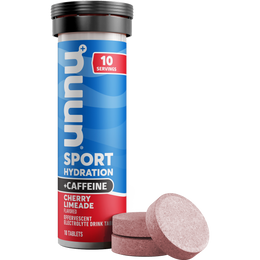
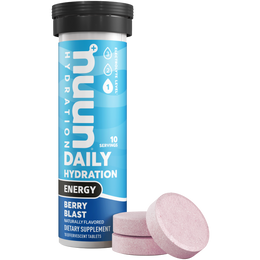
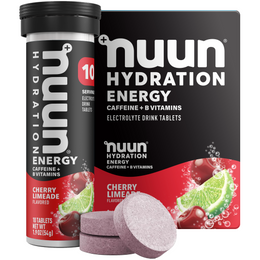
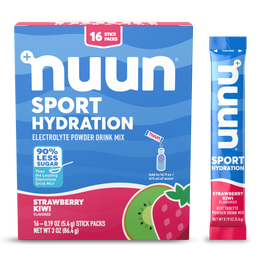
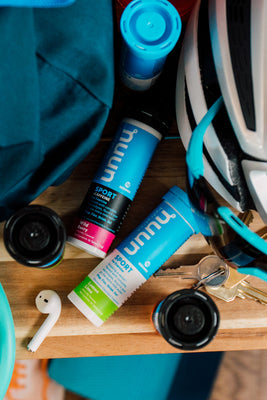
- Add electrolytes strategically. For anyone who exercises, travels frequently, spends time in the heat, plain water may need a little backup. An electrolyte product added to your water once or twice a day is an easy, low-effort way to help increase your intake of the minerals your body needs. Try Nuun Sport Powder during a workout or Nuun Energy Caffeine + B Vitamins as a refreshment. Not every day will call for it, but having it as a tool in your routine is helpful.
The Bottom Line for Staying Hydrated
Hydration is simpler than the wellness industry may make it feel, but it’s slightly more involved than just drinking more water, as you need adequate electrolytes, too. Small adjustments to when and what you drink can make a noticeable difference in how you feel day to day.
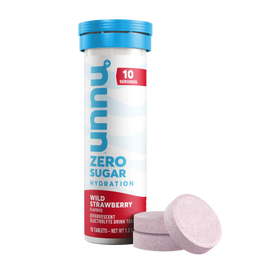
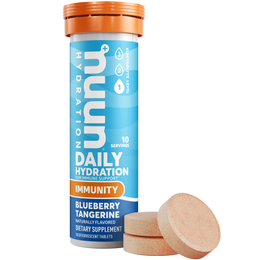
If you're looking for an easy way to support your routine, Nuun contains a balance ration of electrolytes offering straightforward hydration support.*
*This statements has not been evaluated by the Food and Drug Administration. These products are not intended to diagnose, treat, cure, or prevent any disease.