






GLP-1 medications have changed the way many people approach weight loss, appetite, and blood sugar management. But as these medications become more common, so do questions about how to feel your best while taking them. One question that comes up often is: Do GLP-1 users need electrolytes?
The short answer is: not always, but they can be helpful in certain situations. Because GLP-1 medications can affect appetite, thirst, digestion, and fluid intake, some people may benefit from paying closer attention to hydration and electrolyte balance.
What Are Electrolytes?
Electrolytes are minerals that help your body regulate fluid balance, muscle contractions, nerve signaling, and maintain normal cellular function. The main electrolytes include sodium, potassium, magnesium, calcium, and chloride.
When people talk about hydration, they often focus only on water. But hydration is not just about how much water you drink. It is also about how well your body holds onto and uses that fluid. Electrolytes, especially sodium, potassium, and chloride, help regulate the movement of water in and out of cells.
Most people get electrolytes through food. Fruits, vegetables, dairy products, beans, nuts, seeds, meats, and whole grains all contain different electrolytes. For most people, a balanced diet plus enough fluids is often enough. But on GLP-1 medications, fluid intake can drop, food intake decreases; therefore, electrolytes may deserve more attention.
Why Hydration Can Be Different on GLP-1 Medications
GLP-1 medications, including semaglutide and tirzepatide, work by slowing down the movement of food through the digestive tract and decreasing appetite. For many people, this leads to feeling full sooner and eating less overall. That is part of how these medications support weight loss, but it can also make it easier to unintentionally under-eat or under-drink.
Some people on GLP-1 medications report that they simply do not feel as hungry or thirsty as they used to. Others may avoid drinking too much at once because they already feel full or bloated. Over time, this can lead to lower fluid intake than the body needs.
That does not mean everyone on a GLP-1 medication will become dehydrated. Many people tolerate these medications well. But it does mean hydration should be taken seriously, especially during dose increases, periods of poor intake, travel, hot weather, or heavy exercise.
Are Electrolyte Products Required for Every GLP-1 User?
No. Electrolyte products are not automatically necessary for every person taking a GLP-1 medication. If you are eating regular meals, drinking enough fluids, not sweating heavily, you may be getting what you need through your usual diet.
However, electrolytes may be helpful if you are struggling to drink enough plain water, eating significantly less than usual, sweating more, or exercising more often. They can also be useful if plain water feels unappealing, sits heavily in your stomach, or does not seem to help you feel hydrated.
The goal is not to overload your body with sodium or take electrolytes all day without a reason. The goal is to support hydration in a way that fits your current situation and how you feel on the medication.
Signs You May Need to Focus More on Hydration
It can be easy to miss mild dehydration when your appetite and thirst cues are lower than usual. Some signs that you may need more fluids include:
- Dark yellow urine
- Dry mouth
- Occasional Headache
- Fatigue
- Feeling unusually sluggish
If you are experiencing any adverse events, it is important to contact your healthcare provider who can provide individualized recommendations based on your body’s needs and health history.
Why Water Alone May Not Always Be Enough
Water is essential, and most people, on GLP-1 medications or not, should make it their primary beverage. But in some situations, water alone may not fully replace what has been lost.
For example, if you have been sweating heavily, you lose sodium and chloride through sweat. If you are eating less overall, you may also be consuming fewer electrolyte-containing foods.
In those cases, an electrolyte product can help replace key minerals while making fluids easier to consume. That can be especially useful for GLP-1 users who feel full quickly and need hydration to feel easier and more manageable.
What to Look for in an Electrolyte Option
A good electrolyte should fit your personal needs. For GLP-1 users, the best choice often depends on symptoms, activity level, sweat rate, other medical conditions, and overall diet.
Look for an option that provides a balance of key electrolytes, rather than only sodium. Sodium is important for fluid balance, but potassium, magnesium, calcium, and chloride also play important roles in hydration, muscle function, and normal cellular function.
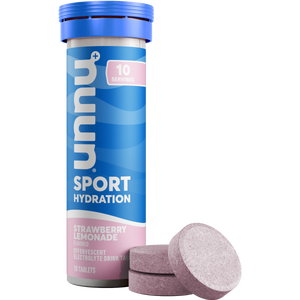
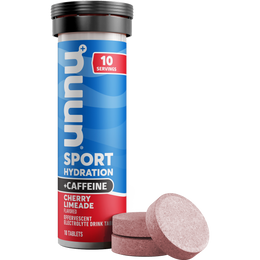
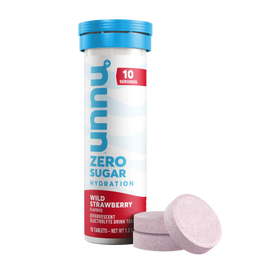
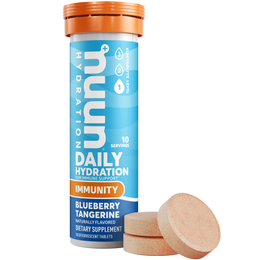
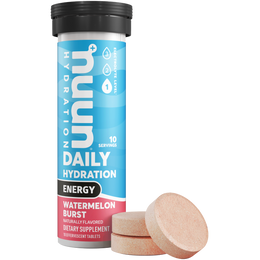
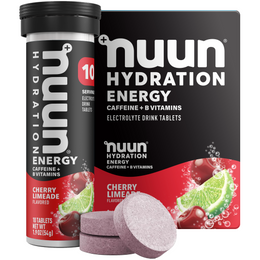
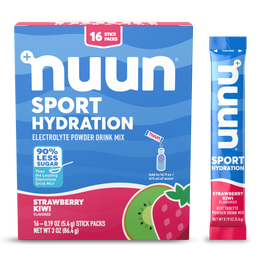
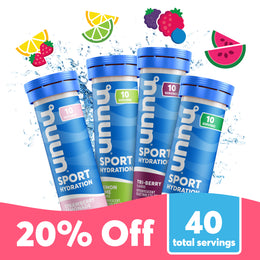
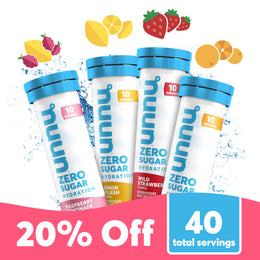
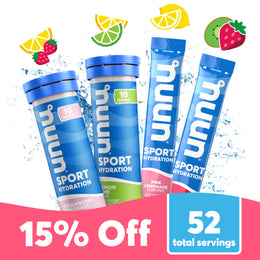
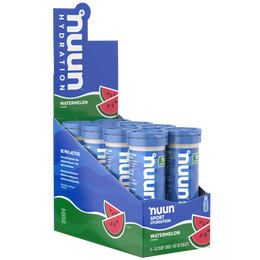
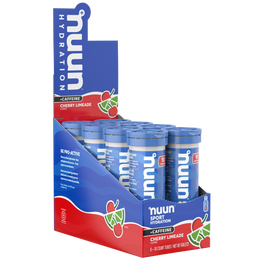
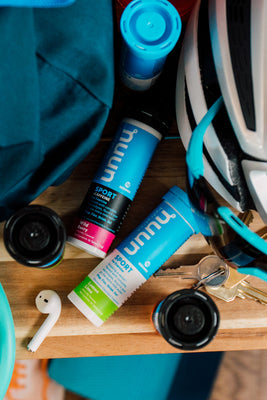
Nuun Sport, for example, is formulated with five essential electrolytes: sodium, potassium, magnesium, calcium, and chloride. These electrolytes support hydration and help replace what is lost through sweat.
For someone on a GLP-1 medication, electrolyte tablets or powders may be helpful when plain water is not appealing, when exercise or heat increases sweat loss, or when lower food intake makes hydration harder to maintain. Always consult your healthcare provider for personalized recommendations.
Simple Hydration Tips for GLP-1 Users
Rather than trying to drink a large amount of water at once, it may help to sip fluids steadily throughout the day. Large volumes can feel uncomfortable when digestion is slower, or appetite is low.
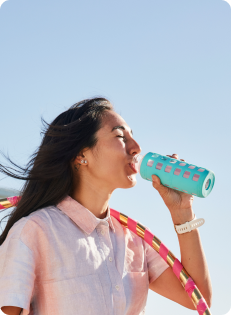
To stay on track, you can pair hydration with your daily routines. For example, drink something when you take your medication, when you wake up, before meals, after walks, or during your afternoon slump. Keeping a bottle nearby can help make hydration more automatic.
If plain water feels boring, add flavor, fruit, or an electrolyte tablet. If you are eating very little, focus on nutrient-dense foods that provide both electrolytes and protein, such as yogurt, smoothies, soups, beans, fruit, and vegetables.
The Bottom Line
Electrolytes are not required for every GLP-1 user, but they can be a helpful tool for supporting hydration when intake is low, thirst cues are reduced, or sweat losses increase.
For most people, the foundation is still simple: drink enough fluids, eat balanced meals, and pay attention to how you feel. But if water alone is not cutting it, a balanced electrolyte option may make hydration easier and more effective.
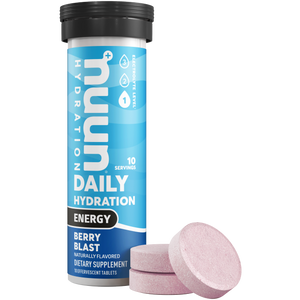
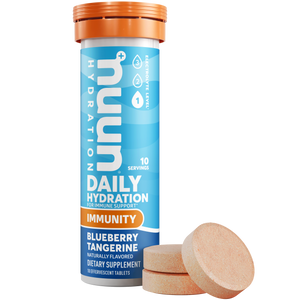
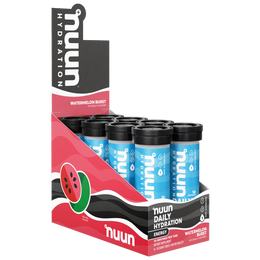
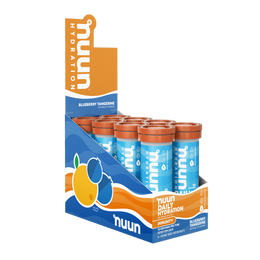
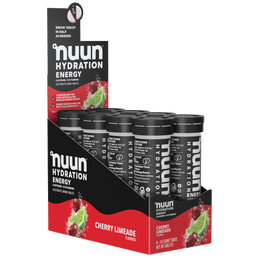
Staying hydrated does not have to be complicated. Nuun electrolyte tablets offer several options that fit your routine, whether you need support for workouts, travel, hot days, or everyday hydration.
Everyone’s health needs are different. If you have questions about your hydration, nutrition, or electrolyte needs while taking a GLP-1 medication, consult your healthcare provider for personalized guidance.
Everyone’s health needs are different. If you are taking a GLP-1 medication, consult your healthcare provider for personalized guidance tailored to your body’s hydration, nutrition and electrolyte needs.
References:
- Wilding JPH, Batterham RL, Calanna S, et al. Once-weekly semaglutide in adults with overweight or obesity. N Engl J Med. 2021;384(11):989-1002.