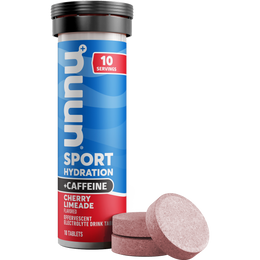
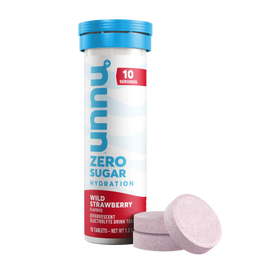
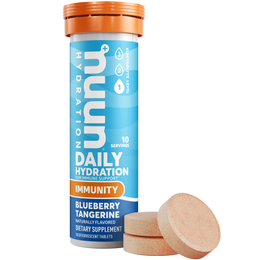
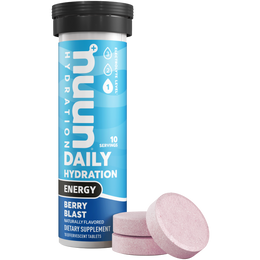










It’s a busy world, and if you find yourself fighting off an afternoon slump or dreaming about having more focus, you’re not alone. Sometimes a dip in energy throughout the day is made worse by inadequate hydration. In this case, replenishing your electrolytes may help support normal hydration, which is one part of maintaining energy and focus as part of a healthy lifestyle.
What Are Electrolytes?
You’ve seen the term “electrolytes” on labels for supplements and functional drinks, but you may not be sure what they are. Electrolytes are electrically charged minerals that dissolve in your body's fluids. The primary ones include sodium, potassium, magnesium, calcium, chloride, and phosphate.
While small, electrolytes are involved in big jobs, such as regulating the balance of fluid inside and outside your cells, helping your nerves communicate, triggering muscle contractions, and supporting the cellular processes related to energy. When electrolytes are imbalanced, the systems they’re a part of can start to feel disrupted. But what throws them off balance?
It could be several things, like:
- Sweating during a workout or in a hot environment (that’s why it tastes salty)
- Stress, which may disrupt hormones that are needed for fluid regulation
- Caffeine, which may increase the loss of fluids
The reason that electrolyte imbalances often fly under the radar is that we lose fluids regularly while being busy. Even being mildly low on fluids (even a loss of 1 to 2 percent of body weight in fluids) can start to affect us physically, but our first instinct when feeling tired is often to grab a caffeinated beverage to pick us back up.
How Electrolytes and Hydration Affect Energy
There’s no shortage of reasons why many of us feel tired, which makes tiredness one of the hardest complaints to pin down a cause. Poor sleep, busy schedules, and choosing doomscrolling over a reasonable bedtime can be to blame, but so can electrolyte imbalances and hydration.
The connection isn't immediately obvious, but it’s helpful to understand how these minerals work at a cellular level. Let’s take a closer look at some of the main players.
Magnesium
Magnesium is involved in over 300 reactions in your body, including the production of ATP, the primary energy source in your cells. If there’s not enough magnesium available, the ability to generate and use energy at the cellular level becomes harder.
Sodium and Potassium
These two work in tandem to maintain what’s called the sodium-potassium pump, a mechanism your muscles and nerves depend on to function properly. If the pump doesn’t have the right support, it can show up as tiredness or like you’re dragging.
Calcium
Calcium is also involved in muscle contraction and relaxation, ensuring that muscles can recover properly between movements.
Are You Fueling Your Imbalances?
When we start to feel a dip in energy, we often reach for sugary drinks that may deliver a short-term spike followed by an energy dip; for some people, that leaves you right back where you started.
A balanced approach to electrolytes for hydration focuses on a spectrum of minerals your body needs. Opting for a high-quality electrolyte product to support hydration, along with other healthy lifestyle habits, can make a meaningful difference.
Brain Fog, Electrolytes and Hydration
Brain fog is that frustrating, sluggish feeling where thoughts move slowly, focus slips, and words don't come as quickly as they should. While most people blame stress or poor sleep, other factors may also play a role.
The brain is your body's most energy-hungry organ, consuming around 20 percent of your total energy despite making up just 2 percent of your body weight, and it depends on a certain electrochemical environment to function at its best.
Sodium drives electrical impulses that travel along nerve cells. Potassium acts as the reset button, restoring nerve cells to their resting state after each impulse so they're ready to fire again quickly. Magnesium regulates brain chemical activity and helps protect neurons from overstimulation.
Finally, the hydration factor: the adult brain is approximately 75% water, and research published in the journal Nutrients has linked hydration and electrolyte intake to attention and working memory, with electrolytes playing a key role in how efficiently water is absorbed and used by cells.
How to Replenish Electrolytes Effectively
Supporting a healthy electrolyte balance isn’t complicated, but it does require a bit more attention than just drinking more water. It’s important to address both hydration and electrolyte balance.
Foods First
Whole foods are the foundation of a healthy diet that supports electrolyte balance:
- Potassium: bananas, avocados, potatoes
- Magnesium: leafy greens, pumpkin seeds, black beans, dark chocolate
- Calcium: milk, yogurt, leafy greens, fortified plant milks
However, getting sufficient amounts of all the key electrolytes every day through food alone can be challenging—especially on days when we’re particularly active, or following diet patterns that exclude certain items. Food is the base, but it may not always be enough to replenish electrolytes.
Choosing an Electrolyte Product
A quality electrolyte product should be a trusted formulation that does several things well:
- Provide a balanced spectrum of minerals and not just sodium, but also potassium, magnesium, and calcium
- Contain more bioavailable forms of minerals versus cheaper alternatives
- Provide high-quality ingredients that prioritizes consumer values
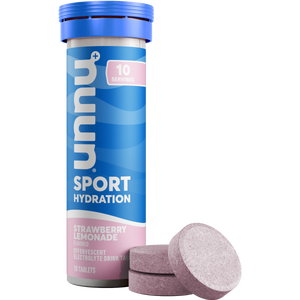
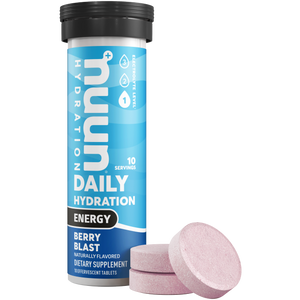
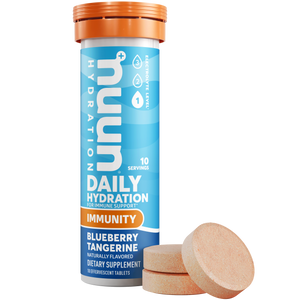
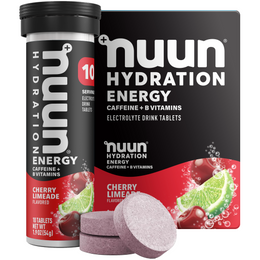
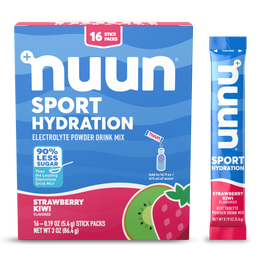
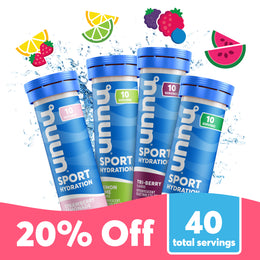
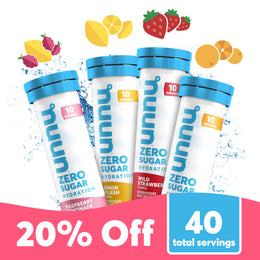
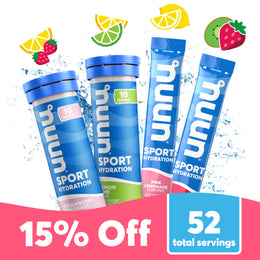
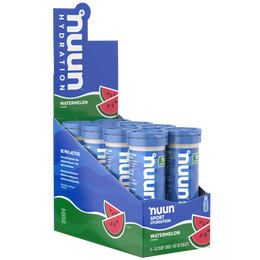
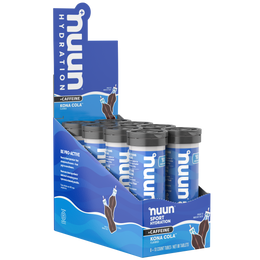
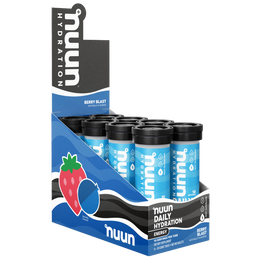
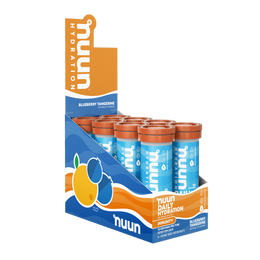
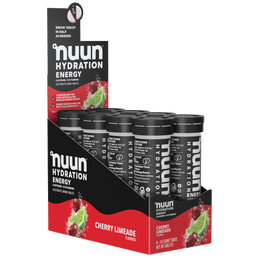
Nuun hydration tablets and our hydration powders contain optimized electrolytes for healthy hydration.* And if you prefer electrolyte support for hydration and a bit of caffeine, try Nuun Energy or our brand new Nuun Energy Caffeine + B Vitamins.
Electrolytes, Hydration, Energy, and Brain Fog: The Takeaways
Electrolytes are essential to energy production and cognitive function, and can often be a missing piece. Small, consistent habits, including adequate hydration and utilizing quality electrolytes when needed, can make a real difference.
Curious to try some of the best electrolyte products? Make Nuun a part of your daily hydration routine.
*These statements have not been evaluated by the Food and Drug Administration. These products are not intended to diagnose, treat, cure, or prevent any disease.
References
- Cousins AL, Young HA, Thomas AG, Benton D. The Effect of Hypo-Hydration on Mood and Cognition Is Influenced by Electrolyte in a Drink and Its Colour: A Randomised Trial. Nutrients. 2019;11(9):2002. Published 2019 Aug 24. doi:10.3390/nu11092002 https://pmc.ncbi.nlm.nih.gov/articles/PMC6769552/