










KEY TAKEAWAYS:
- The seven World Marathon Majors – Tokyo, Boston, London, Berlin, Chicago, New York, and Sydney – are the most iconic and competitive races in the world.
- From fast, flat courses like Berlin and Chicago to the endurance test of New York, training, pacing, and race-day planning are key to success.
- Proper hydration – especially with electrolytes – is essential for helping to maintain endurance, manage fatigue, and staying consistent throughout marathon training.
For many runners, the Boston Marathon is the ultimate achievement – but that’s only one part of an even more prestigious global series: the World Marathon Majors.
These races represent the pinnacle of marathon running, where everyday runners and elites line up together in some of the most iconic cities in the world. Whether you’re chasing a personal best, running for a cause, or dreaming of earning the Six Star medal, the World Marathon Majors are where big running dreams come to life.
What are the World Marathon Majors?
The World Marathon Majors (WMM) are a series of seven of the most prestigious marathons in the world.
Originally launched in 2006, the series was designed to bring together the sport’s biggest races, elevating competition among elite runners and everyday athletes.1
Today, the seven World Major Marathons are:
- Tokyo Marathon
- Boston Marathon
- London Marathon
- Berlin Marathon
- Chicago Marathon
- New York City Marathon
- Sydney Marathon
Together, these races represent the gold standard of marathon running.
The Seven World Marathon Major Races
Each World Marathon race offers a completely different experience for participants, from flat, fast courses to scenic city tours. This makes it easy for runners of all skill levels to find a race that matches their goals and style.
Tokyo Marathon
The Tokyo Marathon kicks off the Major season each year. Known for its flat, fast course, it’s a top choice for runners chasing a personal record.2
Boston Marathon
The Boston Marathon is the oldest annual marathon in the world – and the only one that requires strict qualifying times for most runners.3
London Marathon
The London Marathon blends elite racing with a powerful charity tradition. Many runners participate by fundraising, making it one of the most impactful races in the WMM.4
Berlin Marathon
The Berlin Marathon is famous for speed. Its flat terrain and ideal conditions have made it the site of multiple world records.5
Chicago Marathon
The Chicago Marathon is one of the largest races in the US. Its flat course and supportive crowds make it a favorite for both first-time marathoners and experienced runners.6
New York City Marathon
The New York City Marathon is the largest in the world, taking runners through all five boroughs in an unforgettable tour of the city.7
Sydney Marathon
The newest addition to the series, the Sydney Marathon, brings a scenic coastal course and expands the global reach of the Majors.
What is the Six Star Medal?
The Six Star medal is awarded to runners who complete the original six Marathon Majors: Tokyo, Boston, London, Berlin, Chicago, and New York.
While Sidney is now part of the World Marathon Majors, the Six Star medal still recognizes completion of the original six races.8
Marathon Majors Schedule
While exact dates vary each year, the typical Marathon Majors schedule looks like this:
- March: Tokyo Marathon
- April: Boston and London Marathons
- August/September: Sydney Marathon
- September: Berlin Marathon
- October: Chicago Marathon
- November: New York City Marathon
How Do You Get into the Marathon Majors?
Most runners enter Marathon Majors through one of four main pathways:
- Time qualification: Required for Boston and available for some other races
- Lottery system: Common for London, Tokyo, and New York
- Charity entries: Run while raising money for a cause
- Tour packages: Guaranteed entry through travel partners
No matter the route, preparation is key. That means building your fitness, dialing in your gear, connecting with other runners, and developing a hydration strategy early so nothing feels new on race day.
Training for a Marathon Major
Running a Major is more than just logging miles – it’s about building a routine that supports your body over the long haul.
- Build Milage Gradually: Increase your distance and intensity over time to reduce risk of injury and improve endurance.
- Prioritize Strength Training: Adding strength work helps improve running efficiency and keeps your body resilient during long runs.
- Practice Your Race Strategy: Long runs are the perfect time to test pacing, fueling, and hydration so you know what works for you. Try smaller races, like a Rock n’ Roll race, to get a feel of what you need before, during, and after race day.
- Invest in the Right Gear: Your shoes matter more than you think. Good running shoes make it that much easier to cross that finish line.
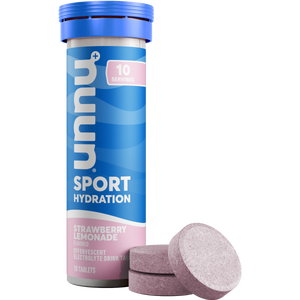
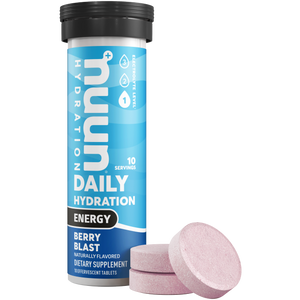
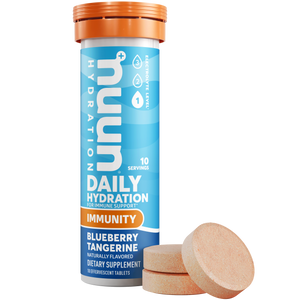
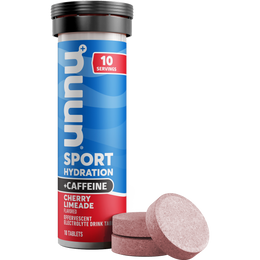
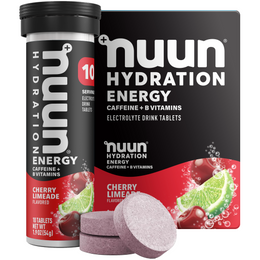
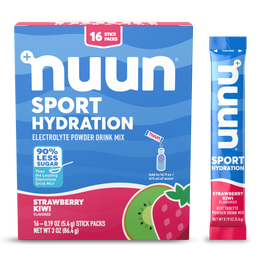
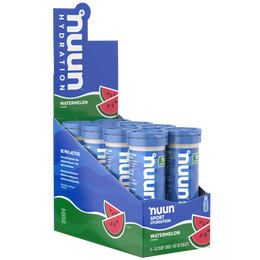
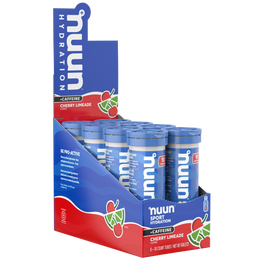
- Stay on Top of Hydration: As your mileage increases, so do your hydration needs. Using an electrolyte drink like Nuun Sport during long runs can help replace what you lose through sweat and hydrates better than water alone.
4 Steps to Better Hydration
Being properly hydrated helps you feel strong, steady, and in control, from your first mile to your last.
- Understand Your Sweat Rate: Every runner loses fluid differently. Testing your sweat rate can help you build a personalized hydration plan.
- Hydrate Before You’re Thirsty: Waiting until you feel thirsty can put you behind. Proactive hydration helps support energy levels and performance.
- Know the Signs of Dehydration: Fatigue, dizziness, and cramping can all signal dehydration. Recognizing these early can help you adjust before it impacts your run.
- Fuel and Hydrate Together: Carbohydrates, fluids, and electrolytes all play a role in endurance performance. For long runs and race day, Nuun Sport helps replenish electrolytes lost through sweat and enhances hydration so you can perform at your best.
Start Your Marathon Majors Journey
The World Marathon Majors represent the ultimate challenge in distance running. Whether you’re aiming for your first finish line or working toward the Six Star medal, success comes down to preparation, consistency, and taking care of your body along the way.
With the right training, fueling, and hydration strategy, you’ll be ready to take on the world’s biggest races.
Frequently Asked Questions
How long does it take to train for a Marathon Major?
Most runners train for 16-20 weeks, depending on their experience level and fitness base.
Which Marathon Major is the easiest and hardest to get into?
Entry difficulty varies, but Chicago and Berlin are often considered more accessible and easier to enter.
Tokyo, London, and Boston are cited as being harder to enter due to their low ballot odds and time qualifications.
Will there be other World Marathon Majors added to the series?
There are two marathons in the candidacy stage: Cape Town and Shanghai. Should they pass and meet the credentials required to join the WMM, they will become the 8th and 9th Majors in the series.
What is the 10-10-10 rule for marathons?
The 10-10-10 rule is a pacing strategy that divides a traditional 26.2-mile race into three manageable segments. The first 10 miles are done at a conservative pace, the second 10 at a goal pace, and the final 6+ miles are an all-out effort. This strategy helps prevent “hitting the wall” by helping the body reserve energy until the finish.
References:
1 Abbott World Marathon Majors
2 World’s Top Marathons | Brooks Running
3 History - Boston Athletic Association
4 A runner’s and spectator’s guide to the 2026 London Marathon
5 The BMW BERLIN-MARATHON - excellently networked in the running world