











Running doesn’t have to be a solitary activity. Start a running club to meet and exercise with other people in your area who are passionate about running.
Key Takeaways
- To start a run club, define your purpose (casual vs. competitive), choose a format (in-person, virtual, or hybrid), plan logistics like routes and schedule, and keep members engaged long-term.
- Running clubs build community, boost accountability, and make exercise more fun.
- Consistency is key; even if only 2–3 people show up at first, sticking to a regular schedule helps the group grow.
- Use tools like Strava, group chats, or email lists to keep members connected and informed.
- Looking for a run club to join? Find a Nuun community-run club near you!
Why Start a Running Club?
There are many reasons why you might want to start or join a running club. Running clubs have plenty of benefits, including:
- Building community and better wellness habits.
- Making exercise more fun.
- Staying accountable toward your running goals.
- Motivating yourself and others to continue running.
Whether you're an athlete pushing for the next level or someone striving to maintain a healthy lifestyle, understanding the functions of these key electrolytes can enhance your performance and wellbeing.
How to Start a Running Club: 8 Steps
Follow these steps to start a running club in your area:
1. Define Your Club’s Purpose
Why do you want to start a running club? Is it to help people train for a marathon, or to create a positive social movement in your community? Determine whether your running club has a competitive or casual focus to attract the right audience.
Being upfront with your intentions will attract like-minded people and set clear expectations around pace, distance, and goals.
2. Choose a Format
Most running clubs meet in person, although some are virtual and hybrid formats are growing in popularity. Consider which model may work best for your community:
- In-person: The classic format. Members meet at a set location and run together. Best for building face-to-face connections and local community.
- Virtual: Members run on their own schedule and stay connected via an app or social media platform. Great for geographically dispersed groups or people with unpredictable schedules.
- Hybrid: Combines in-person meetups with virtual tracking and communication, giving members flexibility while maintaining community.
Strava is a popular running app that lets you track your runs, join challenges, and follow your friends, making it a great choice for in-person and virtual running clubs. And when you join the Nuun+ loyalty program and connect it with your Strava account, you’ll get points for movement and logged activity that you can use to score exclusive discounts and offers on Nuun products.
3. Plan Logistics
When you start your running club, you’re in charge of all the planning. You’ll want to consider factors like:
- Running frequency: Most clubs meet 1-2 times per week. A consistent weekly schedule builds trust and helps ensure turnout.
- Timing: How long do you want to run for? What time of day do you want to meet?
- Routes and distances: Map out routes of varying distances (e.g., 3K, 5K, 8K) so members at different fitness levels can participate. Choose well-lit paths with even terrain and avoid high-traffic roads when possible. Consider scenic parks, waterfronts, or trails to make runs more enjoyable.
- Meeting point: Pick a consistent, easy-to-find meeting spot — like a park entrance, coffee shop, or community center — so new members can find you easily.
- Hydration: Help your members stay hydrated by planning water breaks along the route. Knowing how to hydrate fast is essential for any club leader.
- Communication: Decide how you'll communicate schedule changes, weather cancellations, or route updates. Options include group text, email lists, WhatsApp, Discord, or Facebook Group.
4. Set Ground Rules and Safety Measures
Having ground rules and safety measures in place can help the members of your club feel welcome, respected, and secure. Some running clubs create a code of conduct that informs members that they must behave in a positive, safe, and respectful way with others. Once you’ve created a code of conduct, share it with members online or print it out to pass out at meetings.
Safety measures to consider include:
- Collect emergency contact information from all members.
- Establish clear policies for when the club won't meet (e.g., extreme heat, thunderstorms, icy conditions).
- Learn and watch for signs of dehydration, heat exhaustion, and overexertion.
- Consider a buddy system for new members or night runs.
- Discourage headphone use on group runs, especially on roads.
5. Create Pace Groups for Inclusivity
One of the biggest reasons people quit run clubs is feeling excluded. Creating pace groups ensures that beginners feel welcome running alongside experienced marathoners, and nobody gets left behind.
Emphasize that your club welcomes all paces and experience levels, which can help attract more members.
6. Create a Running Club Name and Identity
Choosing a name for your running club is important because it will:
- Establish the identity of your club.
- Make it easier to promote it.
- Differentiate it from other running clubs in the area.
Here are some tips to help you choose a name for your running club:
- Consider your club’s mission and core values: Choose a name that aligns with the goals of your club, like health, community, or socializing.
- Incorporate your location: Using your city, town, county, or neighborhood in the name of your club can help attract locals to it.
- Be creative and memorable Incorporating puns or alliteration can make the name easier to remember.
- Keep it short and simple: Concise names are also easier to remember.
7. Promote Your Running Club
Get runners to join your club by promoting it. Social media is a great way to promote your club, especially if it’s virtual, but you can also try flyers or branded T-shirts on runs to attract attention. Other options include:
- Local partnerships: Partner with local running stores, gyms, coffee shops, or breweries to cross-promote. Many run clubs end at a local business for post-run socializing — this is a natural partnership opportunity.
- Race events: Attend local races as a group while wearing your club’s gear. Race events are a natural gathering place for potential members.
- Online directories: List your club on an online platform like the Nuun Run Club Finder to help reach runners who are looking for a community near them.
8. Keep Members Engaged and Coming Back
Starting a run club is easy; sustaining it is less so. Here’s how to mix it up and keep your community thriving:
- Mix up your programming: Rotate between social runs, speed workouts, trail runs, and themed sessions (costume runs, sunrise runs, charity runs) to keep things fresh. Nearly 56% of clubs host social events like happy hours or product demos beyond regular runs.
- Celebrate milestones: Recognize members' PRs, race completions, attendance streaks, and personal breakthroughs. Public shout-outs on social media go a long way.
- Host events: Organize group races, charity runs, or seasonal events (e.g., a New Year's resolution run, a summer solstice run).
- Onboard new members intentionally: Pair newcomers with a buddy, introduce them to the group, and check in after their first few runs. First impressions determine whether someone comes back.
- Stay connected between runs: Use your communication channel to share running tips, race recaps, motivational content, and upcoming schedules. Consistent communication between meetups keeps the community alive.
If you're preparing for a race together, check out 10 tips for a successful first marathon to share with your club members.
Stay Hydrated on Your Runs
Hydration is a critical part of any running routine — especially for group runs where members may be at different fitness and hydration levels. As a club leader, it's smart to plan water break points along your route and have electrolyte options on hand for longer or warmer-weather runs.
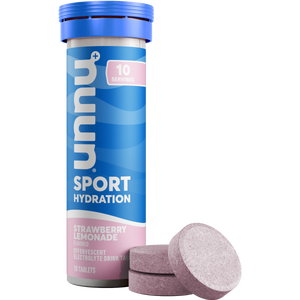
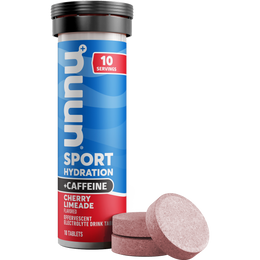
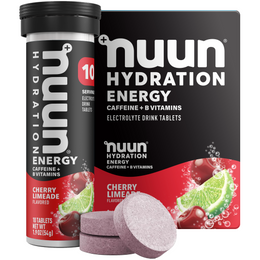
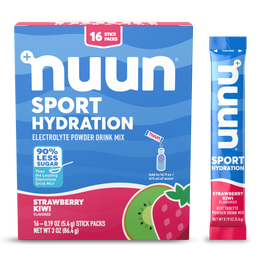
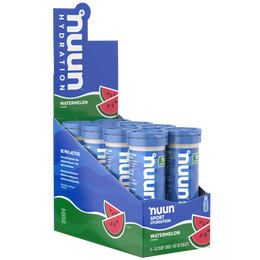
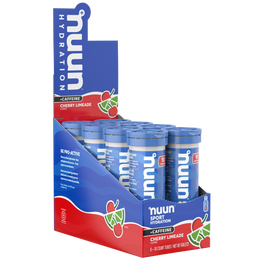
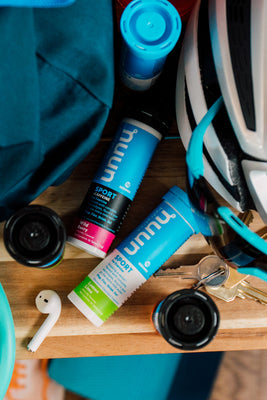
Nuun Sport Hydration Tablets contain five essential electrolytes and hydrate better than water alone, making them an easy addition to your club's hydration plan.
Join the Nuun+ loyalty program and connect it with your Strava account to earn points for movement and logged activity. Share it with your club members so everyone can earn rewards while crushing their running goals.
Frequently Asked Questions
How many people do you need to start a run club?
You can start with as few as 2–3 people. Consistency matters more than size — commit to a regular schedule and the group will grow through word of mouth and social media over time.
How often should a running club meet?
Most clubs meet 1–2 times per week. A consistent weekly schedule (e.g., Tuesdays at 6:30 PM or Saturdays at 9 AM) builds trust and turnout. As your club grows, consider adding variety like speed workouts, trail runs, or weekend long runs.
Can beginners join a running club?
Absolutely. Many clubs welcome all skill levels and use pace groups so no one is left behind. Look for clubs that emphasize inclusivity, or if you're starting one, make "all paces welcome" part of your mission.
Is there a running club near me?
If you're looking to join an existing club rather than start your own, check out the Nuun Run Club Finder to discover community run clubs in your area.